What Chain Should I Choose for My Collection?
 Reptard
Scatter Psyops Director
Choosing the right blockchain for your collection is an important decision that can meaningfully impact its success.
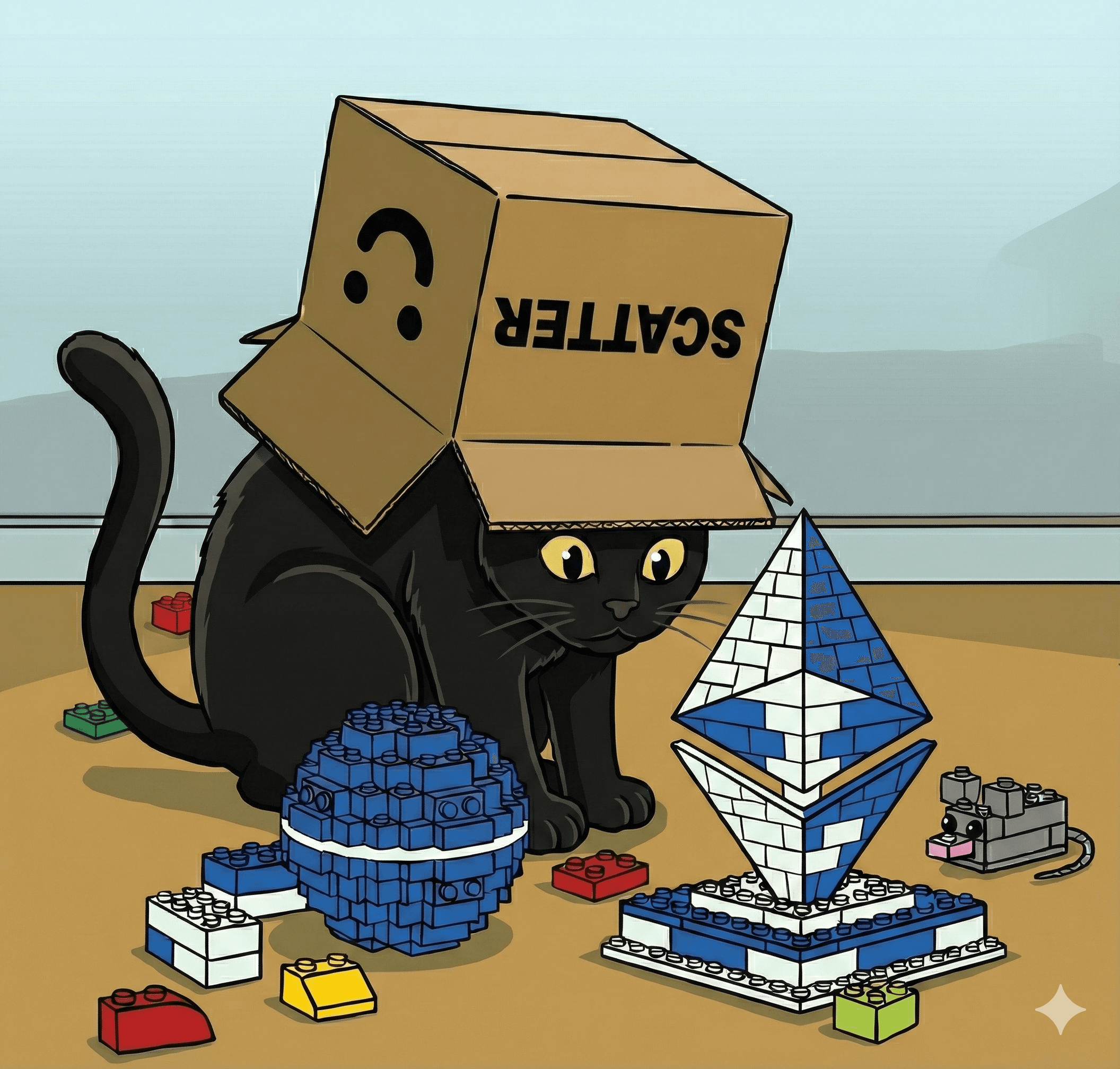
Scatter currently supports mints on 14 different chains. As a result, deciding where to launch can feel overwhelming—especially for newer creators. Each chain has its own strengths and caters to a different audience, and while ETH mainnet has long been (and will likely remain) the primary hub for NFT minting, there are situations where minting elsewhere makes sense. Being early to a network, benefiting from lower gas fees, or gaining increased visibility are just a few reasons creators choose an L2 or other non-ETH EVM chain.
Mainnet is King
Layer 2s have made significant progress over the past few years, but Ethereum mainnet remains the default choice for most NFT creators. Minting on mainnet offers a strong sense of reliability and security. On ETH, you can be confident the network won’t experience prolonged outages or be abandoned anytime soon, and there is almost always active demand from buyers and minters.
ETH is where NFTs originated, where the most experienced collectors and traders spend the majority of their time, and where most crypto-native users already hold funds. This reduces friction for your audience—on Ethereum mainnet, most people can mint with just a couple of clicks. By contrast, launching on an L2 or other non-ETH chain often requires users to bridge funds first, which can be a meaningful barrier for some potential minters.
That said, mainnet isn’t without drawbacks. The most common complaint—especially during periods of high activity—is transaction costs. When the network is busy, gas fees can spike quickly, increasing costs not only for deployment but also for your audience. While ongoing network improvements are steadily reducing this issue, gas prices still fluctuate. When preparing a mint, it’s important to monitor transaction costs and be aware of potential spikes, as elevated fees can dampen minting momentum.
Why use an L2 or other chain?
Creators choose Layer 2s and other non-ETH chains for several reasons. Lower fees are an obvious draw, but perceived competition also plays a role. With countless NFT collections launching on ETH mainnet, standing out can feel difficult. On newer or less-saturated chains, some artists see opportunity in being first to market.
Being among a chain’s earliest NFT projects can lead to increased support from the network’s core team, which can go a long way toward boosting visibility. It can also attract minters who are simply looking for something to engage with on a new and unfamiliar network.
However, this strategy comes with risk. Launching on a new chain is often a gamble, and hype alone is not a reliable indicator of NFT demand. Regardless of excitement surrounding a network, creators should closely examine the type of activity taking place there.
Take HyperliquidEVM, for example. It has been one of the most discussed new networks of 2025, yet NFT activity has been minimal. Aside from a collection launched by the official Hyperliquid team, there have been virtually no successful NFT projects. This is largely due to the network’s user base: Hyperliquid users are primarily traders and DeFi participants, and the most successful applications on the chain focus on perpetual trading and yield generation—not NFTs.
By contrast, Monad presents a different case. Leading up to the network’s launch, there was substantial discussion around NFTs, and the core Monad team actively positioned NFTs as a key part of the ecosystem. As a result, Monad saw significant minting activity immediately after launch. Scatter supported two major day-one launches on Monad mainnet: Skrumpeys, which has consistently been the top Monad collection on secondary markets, and Monafuku Cafe, which minted out in under an hour and continues to see steady secondary volume.
The takeaway is simple: excitement around a chain doesn’t automatically make it a good home for your collection. Understanding what a chain’s users actually do—and whether they have interest in NFTs—is critical.
So where should I mint my collection?
Ultimately, your choice of chain is unlikely to make or break your collection. If people genuinely like what you’ve created, they’ll find a way to mint it. Still, when in doubt, Ethereum mainnet is almost always the safest option. A weaker collection won’t perform significantly better simply because it’s on a less crowded chain, and a strong, high-effort collection can succeed on mainnet despite heavy competition.
If you do decide to launch elsewhere, take the time to deeply understand the chain and its community, and design your collection with that audience in mind. This approach can be rewarding, but it also introduces constraints. In short, if your idea is tightly aligned with a specific chain, launching there can make sense—but for broader, general-purpose collections, mainnet remains the best bet.